Space is the final frontier. Literally, in the warehouse, where we need to keep every inch nice, clean, dry, and well organised. With hard-earned Ringgit tied up in inventory, and hopefully turning over at a healthy rate, you can bet that keeping everything safe and protected from fire hazards, water damage, and all the other things no warehouse manager wants to think about sits high on the list too.
But there is one thing that quietly eats into this precious space in packing and fulfilment warehouses and departments every day: packaging, from carton boxes to protective packaging, sealing tape, labels, and other packing materials.
While businesses naturally review the price of a roll or metre of protective packaging, often overlooked are the amount of material used, the time required to pack, and the opportunity cost relating to efficiency. Today, brands and businesses also increasingly prioritise brand image and how packaging translates to higher brand perception and equity, which can be priceless when it comes to the value of a brand or product in the eyes of the consumer.
At SNAPP Packaging, we help logistics, packing and fulfilment warehouses rethink and refresh the way they approach protective packaging, creating greater value not just for operations, but also for brands and businesses.
Rethink conventional plastic bubble wrap
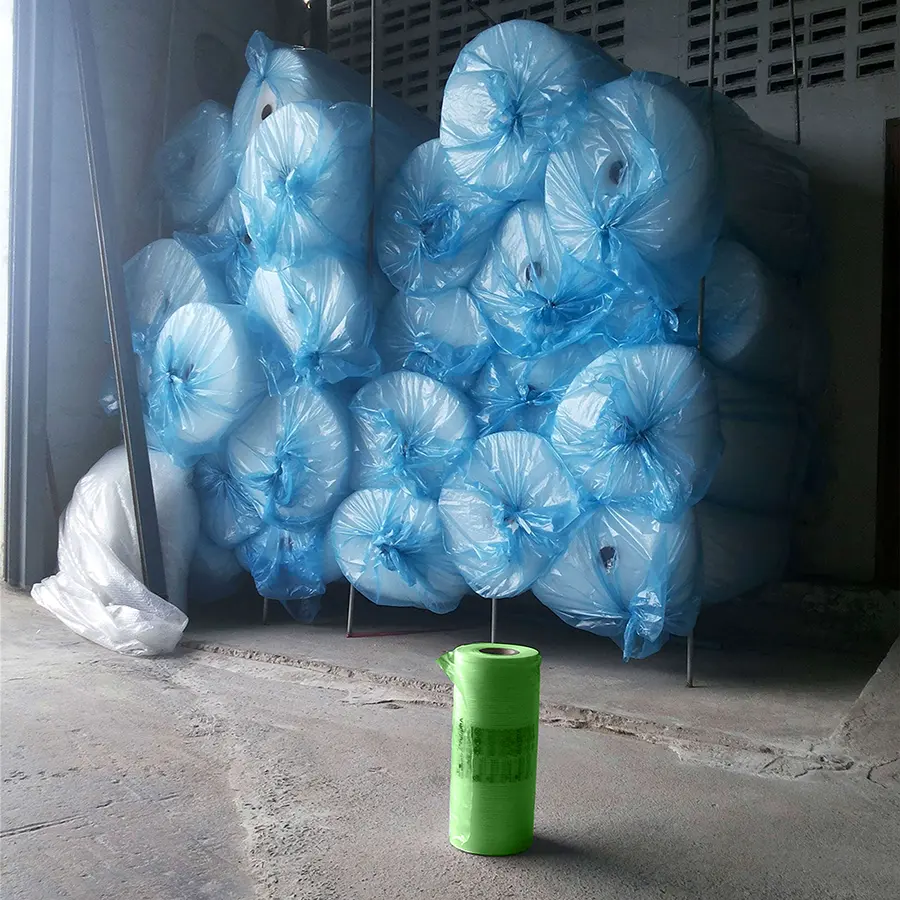
For conventional, everyday-use bubble wrap, the answer can be surprisingly significant. Bubble wrap is already inflated, which means businesses are effectively storing large volumes of air before a single product has even been packed.
While a small packing operation may cope with a few rolls stored in a corner, a growing or high-performance e-commerce business, 3PL warehouse, or distribution centre knows the reality: warehouse space is never really free. Every pallet, shelf, packing station and storage area has a space cost and a time cost. The more space packaging occupies, the less room there is for inventory, equipment and movement, while potentially reducing overall efficiency.
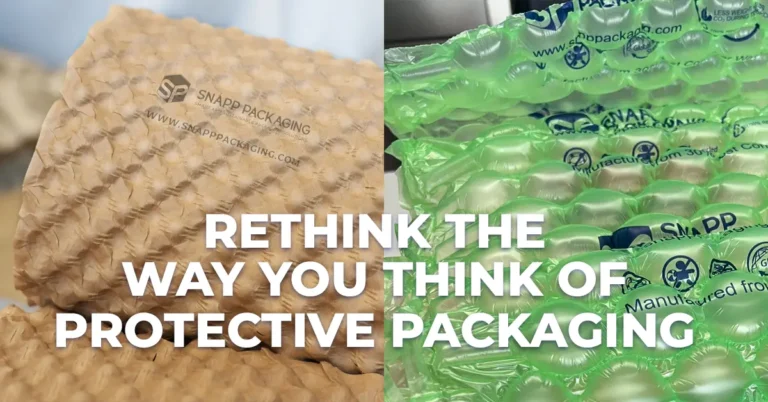
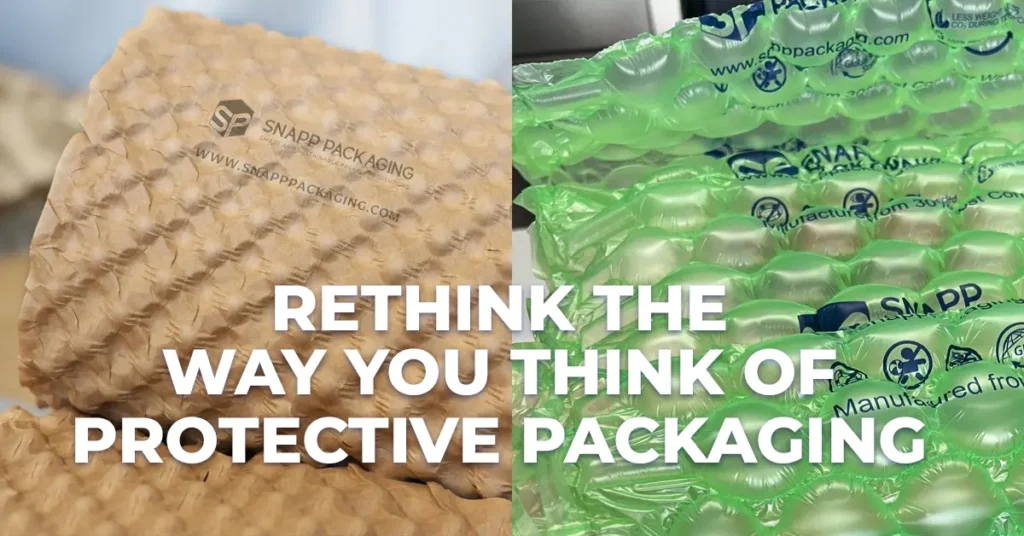
LAPIS AIR takes a different approach by significantly reducing the physical footprint of protective packaging inventory and freeing up valuable storage space. Store the material, minus the air volume. Instead of storing fully inflated protective packaging, businesses store compact LAPIS AIR film rolls and inflate the material when required. Containing 30% post-consumer waste, LAPIS AIR expands into air bubble and void protective packaging on demand at the packing station, creating the volume needed for protection only when it is actually needed.
LAPIS AIR dramatically changes the way businesses think about packaging inventory, moving from storing bulky finished packaging to managing compact material that can become protective packaging when you need it. And just like that, the cheapest protective packaging roll is now not necessarily the most effective solution.
Is that even possible?
Rethink alternative ways to pack and protect
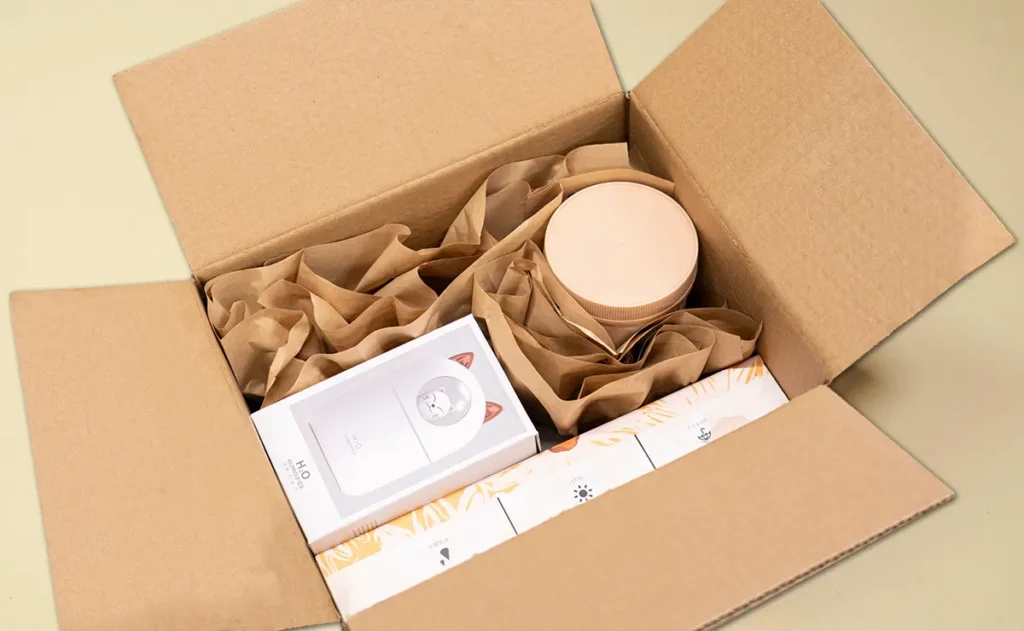
While on the topic of rethinking and refreshing the way we do things, thought can be given to ways to renew the way we approach protective packaging. The same space-saving principle applies to paper-based protective packaging, particularly useful for businesses looking to introduce paper protective packaging into their existing workflow.
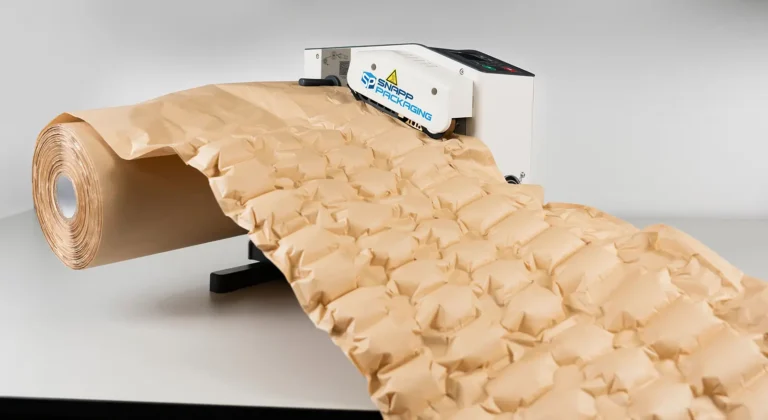
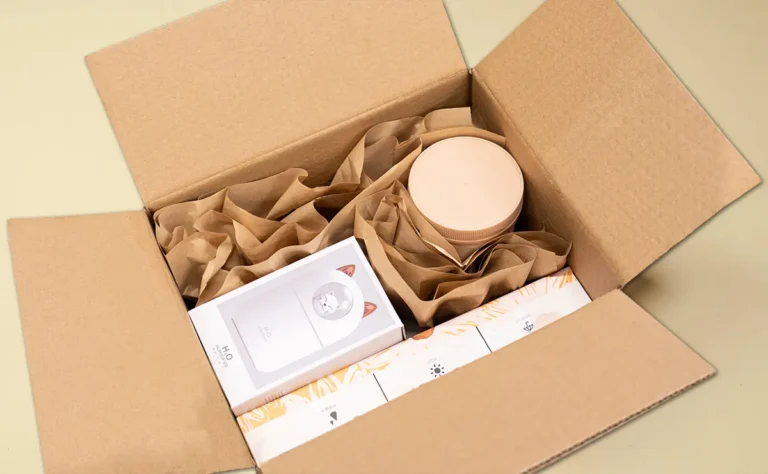
Supplied in compact pre-cut trays or rolls, NEST PAPER Cushion and NEST PAPER Wrap offer yet another approach to protective cushioning. Instead of occupying the same volume as the protection they eventually provide, businesses can store considerably more packaging capability within a smaller and neater footprint.
The economics of packing materials begin to shift when we stop viewing packaging purely by its purchase price, and instead consider what happens when you add the cost of the warehouse space it occupies, the time spent moving and replenishing it, the additional handling required, and the limitations it places on your packing environment.
Furthermore, with NEST PAPER, the objective is not simply to replace plastic with paper for the sake of environmental sustainability, but also to make the entire packaging process more elegant and streamlined, while raising brand standards in terms of visual presentation and brand value.
So, what is your packaging really costing you?
For high-efficiency e-commerce, logistics, fulfilment and distribution businesses, departments and teams, space efficiency is operational efficiency. The more intelligently packaging materials can be stored and managed, the more room businesses have to focus on what actually generates value.
LAPIS AIR and NEST PAPER protective packaging offer different approaches to achieving better operational efficiency through smarter use of space. One produces air protection when needed, while the other provides compact paper-based cushioning. Both reflect a broader shift towards modern and smarter protective packaging, where brands and businesses look beyond the price of the material itself and consider the total economics of storing, handling and using it.
Instead of asking, “How much does my packaging cost?” or “How do I reduce my packaging cost per item?”, perhaps the more valid question would be, “How much space, time and operational capacity is my packaging costing me?”

So while we may consider maintaining the status quo, the question presented to us is: What is your packaging really costing you?
We have spent a good chunk of our lifetime working with packaging, and we have the answers to these questions at SNAPP Packaging. Now is a great time to rethink protective packaging around the realities of modern fulfilment. Get in touch with us for a live demo to see how LAPIS AIR and NEST PAPER can truly make a positive impact on your brand and business. Sometimes, rethinking the economics of protective packaging simply makes sense.